Maternal and newborn health in crisis as millions born in conflict zones, Save the Children warns
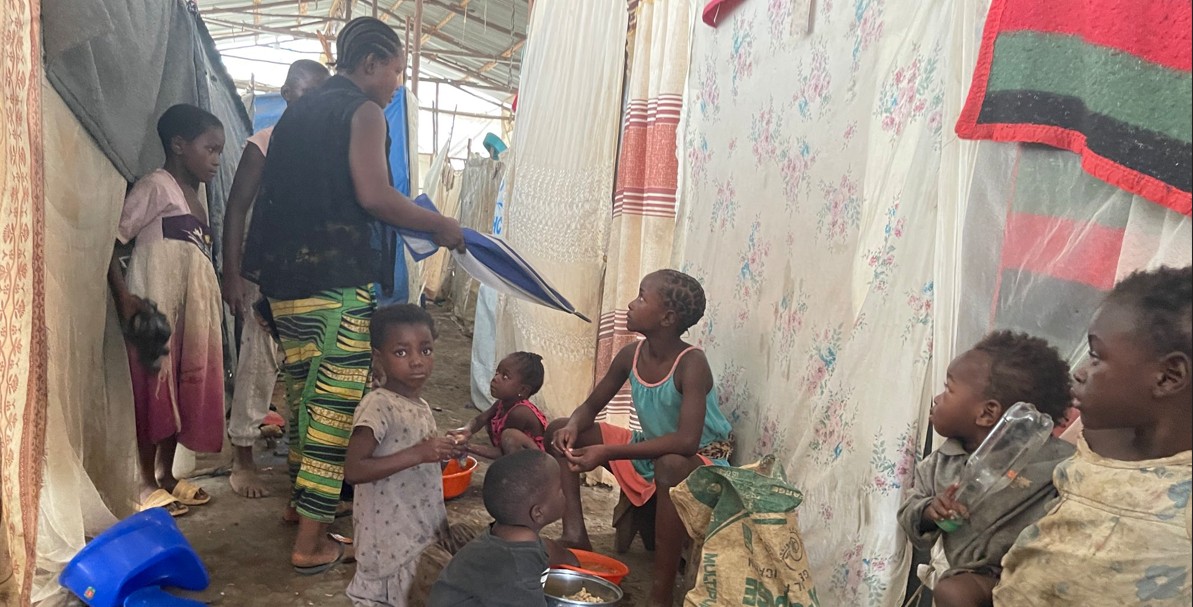
Save the Children says an estimated eight million babies were born in 2025 into conflict, climate disaster and humanitarian crises, mostly in under-resourced settings, warning of preventable risks to mothers and newborns.
An estimated eight million babies were born in 2025 into conflict zones, areas affected by climate disasters, and humanitarian crises, many facing life-threatening conditions in tents, makeshift displacement camps, or under-resourced hospitals, Save the Children has warned.
The humanitarian organisation says this represents a growing global crisis, with far-reaching consequences for both mothers and newborns.
More To Read
- South Sudan health system on brink as conflict and cholera spread, MSF warns
- Gaza faces humanitarian disaster with thousands trapped in flooded camps
- South Sudan deploys forces to secure Heglig oil field after Sudan RSF capture
- Ghana expels three Israelis over Ben Gurion Airport detentions
- UN warns human rights face growing threats worldwide in 2025 as funding for activists falls
- Sudanese herders struggle to safeguard livestock amid devastating war
The organisation explained that an analysis of United Nations data found that around 7.7 million children had been born into 43 major humanitarian crises worldwide by the end of November 2025.
It added that this equates to roughly 23,000 babies per day and represents a 10 per cent increase from 2021, when seven million children were born under similar conditions.
Births in conflict-affected areas
Save the Children noted that most of these births occurred in conflict-affected areas such as Sudan and Gaza, where mothers face extreme risks due to destroyed health infrastructure, restricted access to aid, food shortages, and chronic stress.
"Globally, there are an estimated 2.4 million newborn deaths per year and another 1.9 million babies are stillborn – the vast majority of them in low- and middle-income countries," said Save the Children.
Shekinah, 26, a mother of four living in Goma in the Democratic Republic of Congo, told Save the Children that she had faced life-threatening complications during her pregnancy. She said hospitals had been destroyed and medical care was unaffordable, leaving her fearful of giving birth at home.
She added that she had been able to receive free treatment at a Save the Children-supported hospital in North Kivu province, where she delivered her youngest child, Muhindo, by caesarean section. Shekinah said that without this assistance, she might have died because she had neither the money nor the means to give birth safely.
In Yemen, Save the Children reported that eight-month-old Murad from Taiz had developed severe malnutrition after his mother, Fatima, was unable to afford adequate nutrition during her pregnancy amid ongoing conflict and economic collapse.
“Before the war, there were job opportunities and income, so people could easily afford food. Now everything has changed, and we can barely meet our basic needs,” said Fatima. “My son, Murad, was born weak and has suffered from malnutrition since birth. I thought he would get better, but he grew weaker day after day.”
The organisation said Murad had received life-saving nutritional treatment and medical care at a local Save the Children-supported health centre and was steadily recovering.
Deaths preventable
Abraham Varampath, head of health, nutrition, and water, sanitation, and hygiene at Save the Children, said that thousands of babies enter the world every day in the most difficult conditions, and that most newborn and maternal deaths are preventable with access to skilled care. He urged world leaders to ensure continued funding for maternal and newborn health services.
"Every day, on average, an estimated 23,000 babies make their entry into this world in some of the world’s worst crises, born in under-equipped hospitals in health systems shattered by attacks and restrictions in places such as Gaza and Sudan, while mothers in places hit by floods and heatwaves are forced to make perilous journeys to seek a safe place to deliver, a huge risk during emergencies," he said.
“Instead of the quality newborn care and warm, nurturing start that every newborn deserves, many of these babies are engaged in a fight for survival from the moment they are born."
Save the Children called on the international community to protect mothers and newborns in crisis settings by funding healthcare services, training frontline health workers, and addressing the root causes of conflicts and climate disasters that disrupt access to medical care, food, and livelihoods.
Top Stories Today